Компостирование органических отходов дома: Методы без запаха для частных садов: common mistakes that cost you money
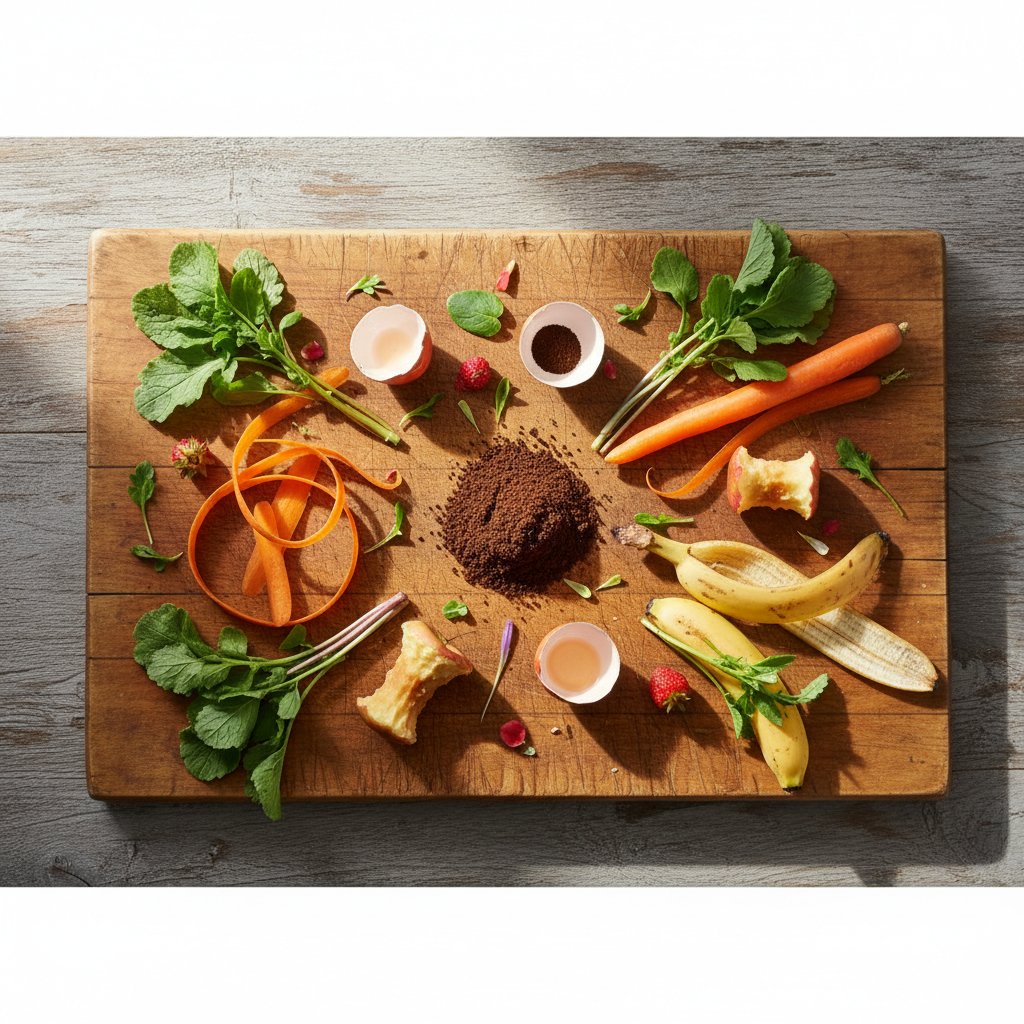
The Great Composting Face-Off: Hot Bins vs. Cold Piles (And Why Your Wallet Cares)
Look, I get it. You started composting with the best intentions—turning kitchen scraps into garden gold while saving the planet. Then reality hit: the smell, the fruit flies, the fact that you just spent $200 on a fancy tumbler that's now a decorative lawn ornament.
Here's the dirty secret nobody tells you: most backyard composters lose between $150-400 in their first year through avoidable mistakes. We're talking about buying the wrong equipment, wasting materials that could've been free, and yes—sometimes giving up entirely and hauling everything to the dump anyway.
The biggest decision that'll make or break your composting budget? Choosing between hot composting (active, fast method) and cold composting (passive, slow approach). Let's break down what each actually costs you in time, money, and sanity.
Hot Composting: The Fast Track with Upfront Costs
What You're Getting Into
Hot composting means maintaining temperatures between 135-160°F (57-71°C) by carefully balancing carbon-rich "browns" with nitrogen-heavy "greens." Done right, you'll have finished compost in 3-8 weeks instead of 6-12 months.
The Pros
- Speed wins: Finished compost in under two months means you're actually using it, not just collecting it
- Kills weed seeds and pathogens: Those high temperatures destroy about 95% of weed seeds and harmful bacteria
- Zero smell when done correctly: Proper aeration eliminates the anaerobic bacteria that create that rotten-egg stench
- Higher nutrient retention: Studies show hot compost retains approximately 30% more nitrogen than cold methods
- Handles more materials: You can compost citrus peels, onions, and small amounts of meat scraps without attracting pests
The Cons
- Initial investment hurts: Expect to spend $80-300 on a proper insulated bin or tumbler
- Labor intensive: You'll need to turn the pile every 3-4 days—that's roughly 15 minutes of actual work each time
- Requires volume: Need at least 3 cubic feet (27 cubic feet total) to maintain heat, which many small gardens can't accommodate
- Learning curve is real: Getting the carbon-to-nitrogen ratio right (roughly 30:1) takes practice and occasional failure
- Can't just add scraps randomly: You need to batch materials, which means storing kitchen waste for 1-2 weeks before adding
Cold Composting: The Set-It-And-Forget-It Approach
What You're Actually Doing
Cold composting is basically controlled decomposition. Toss organic waste in a pile or bin, maybe turn it occasionally when you remember, and wait for nature to do its thing over 6-18 months.
The Pros
- Nearly zero startup cost: A simple wire mesh enclosure runs $20-40, or build one from pallets for free
- Minimal effort required: Add scraps as they come, turn once every 4-6 weeks or never—it'll still work
- No size requirements: Works with any amount of material, perfect for small households generating limited waste
- Forgiving method: Wrong ratio? No problem. It'll just take longer
- Continuous process: Keep adding to one end while harvesting from the other
The Cons
- Painfully slow: 12-18 months average before usable compost appears
- Odor management is tricky: Without regular turning, anaerobic pockets develop and smell like death
- Weed seed survival: Roughly 60-70% of weed seeds remain viable, creating extra garden work later
- Pest magnets: Rats, raccoons, and flies will find your pile without proper management
- Nutrient loss: Slow decomposition means more nitrogen escapes as gas—you're losing about 40% of potential nutrients
- Space hog: Since material sits for months, you need multiple bins or a large dedicated area
The Money Math: What Actually Costs You
| Factor | Hot Composting | Cold Composting |
|---|---|---|
| Initial Setup | $80-300 for insulated bin/tumbler | $0-40 for basic enclosure |
| Annual Labor Value | ~26 hours ($260 at $10/hr) | ~6 hours ($60 at $10/hr) |
| Finished Compost/Year | 200-400 lbs | 80-150 lbs |
| Compost Value | $60-120 (retail equivalent) | $24-45 (retail equivalent) |
| Pest Control Costs | $0-20 annually | $30-80 annually |
| Break-Even Point | 2-3 years | Immediate, but lower output |
| Smell Factor | Minimal with proper management | Moderate to high without attention |
Common Mistakes That Drain Your Wallet
Buying before understanding your waste volume: That $250 tumbler designed for a family of five sits half-empty when you're single and eat out four nights weekly. Calculate your actual weekly organic waste first—most households generate 5-8 lbs per person.
Ignoring your climate: Hot composting in Minnesota winters? Not happening without insulation that costs another $50-100. Cold composting in Florida summers without proper aeration? Welcome to Smell City.
Not accounting for your physical limitations: Hot composting requires lifting and turning 30-50 lbs of material. If you've got a bad back, that fancy tumbler will mock you from the corner of your yard.
Forgetting about rodent-proofing: Adding hardware cloth to the bottom of any bin costs $15-25 but saves you hundreds in pest control and potential structural damage.
The Verdict: Which Method Wins?
Choose hot composting if you generate significant organic waste (15+ lbs weekly), have space for a dedicated system, don't mind the physical work, and want usable compost before next season. The upfront cost pays off within 2-3 years through higher output and better quality.
Go with cold composting if you're working with limited space, minimal waste production, tight budget constraints, or simply can't commit to regular maintenance. Yes, it's slower and produces less, but it's genuinely passive income for your garden.
The real money-saver? Hybrid approach. Run a small hot bin for kitchen scraps during growing season (March-October), then switch to cold composting for yard waste and slower winter decomposition. This cuts your initial investment by 40% while maintaining decent output.
Whatever you choose, skip the $200+ electric composters that promise miracles. They're glorified dehydrators that cost $8-12 monthly in electricity and still require traditional composting for the dried output. That's $96-144 annually that could buy you actual finished compost instead.