Common Questions

Find answers to frequently asked questions about home composting methods

The timeline varies based on your chosen method and conditions. Hot composting produces results in 4-8 weeks when properly maintained with regular turning and balanced materials. Cold composting takes 6-12 months but requires minimal effort. Vermicomposting yields finished material in 3-6 months. Factors affecting speed include temperature (warmer accelerates decomposition), moisture levels, particle size (smaller pieces break down faster), and carbon-to-nitrogen ratio. In Sofia's climate, expect faster processing during spring and summer months. Indoor methods like bokashi can pre-process materials in just 2 weeks before final composting.

Safe to compost: vegetable and fruit scraps, coffee grounds with filters, tea bags, eggshells, grass clippings, leaves, small twigs, shredded paper, cardboard. Avoid completely: meat and fish (attract pests), dairy products, oils and fats, pet waste, diseased plants, weeds with seeds. Use cautiously: citrus peels in small amounts, onions and garlic (can repel worms in vermicomposting), bread and grains (may attract rodents). For odor-free results, always bury fresh scraps under brown materials like dried leaves or shredded paper. Balance is key - aim for roughly equal parts green (nitrogen-rich) and brown (carbon-rich) materials.

Odors indicate imbalance, not normal composting. Main causes and solutions:
  • Too wet: Add dry brown materials like shredded paper or sawdust, improve drainage
  • Lack of oxygen: Turn pile weekly, ensure proper ventilation in bin
  • Wrong materials: Never add meat, dairy, or oils
  • Compacted pile: Fluff material regularly to allow air circulation
Cover fresh scraps immediately with 5-10 cm of brown material. Use a sealed bin with carbon filter for indoor composting. Sprinkle garden soil or finished compost to introduce beneficial microorganisms. Proper moisture should feel like a wrung-out sponge - damp but not dripping.

Yes, composting continues year-round with adjusted expectations. In Sofia's winters, outdoor piles slow down significantly but don't stop completely. Winter strategies: Build a larger pile (minimum 1 cubic meter) to retain heat better. Insulate sides with straw bales or leaves. Chop materials smaller for faster breakdown. Add more brown materials to absorb excess moisture from snow. Continue adding scraps - they'll decompose when temperatures rise. Indoor alternatives: Move to vermicomposting (worms work at room temperature) or bokashi fermentation (works in any temperature). Store frozen scraps in sealed containers and add them to outdoor pile in spring. Some decomposition occurs even at 4-10°C, just much slower than summer's active processing.

Start simple and expand as needed. Minimal setup: Designate a corner of your garden, pile materials directly on soil, cover with tarp. Cost: 0-20 лв. Basic bin: Purchase plastic compost bin (80-150 лв) or build wooden one from pallets (free-50 лв). Tools needed: Garden fork for turning (30-60 лв), bucket for collecting scraps (have at home). Optional upgrades: Compost thermometer (25-40 лв) to monitor temperature, tumbler bin (200-400 лв) for easier turning, kitchen caddy with filter (40-80 лв). Many Sofia residents successfully compost using just a repurposed plastic container with drilled holes. Invest in better equipment only after confirming this practice fits your routine.

Proper technique prevents pest problems entirely. Prevention measures: Use a bin with secure lid and base (or wire mesh bottom buried 10 cm deep). Never compost meat, fish, dairy, or cooked food with oils. Bury fresh scraps under 10-15 cm of brown material immediately. Keep pile moist but not soggy. Turn regularly to disrupt potential nesting. Rodent-proof options: Enclosed tumbler bins, bokashi fermentation (sealed bucket), or vermicomposting in closed containers. Position bin away from building foundations. In urban areas like Sofia's residential districts, sealed bins are recommended. If you see signs of rodents, stop adding food scraps temporarily, turn pile thoroughly, and ensure all entry points are blocked. Thousands compost successfully in Bulgarian cities without attracting pests by following these guidelines.

About Hopaqi

Sustainable composting solutions for your garden

Our Story

Founded in 2018 in Sofia, Hopaqi emerged from a simple observation: home gardeners needed practical composting methods that actually work without unpleasant odors.

We started by testing various composting systems in private gardens across Bulgaria. After three years of research and real-world trials, we developed odor-free techniques suitable for urban and suburban spaces.

Today, we help hundreds of households in Sofia and surrounding areas turn organic waste into nutrient-rich compost using proven, smell-free methods.
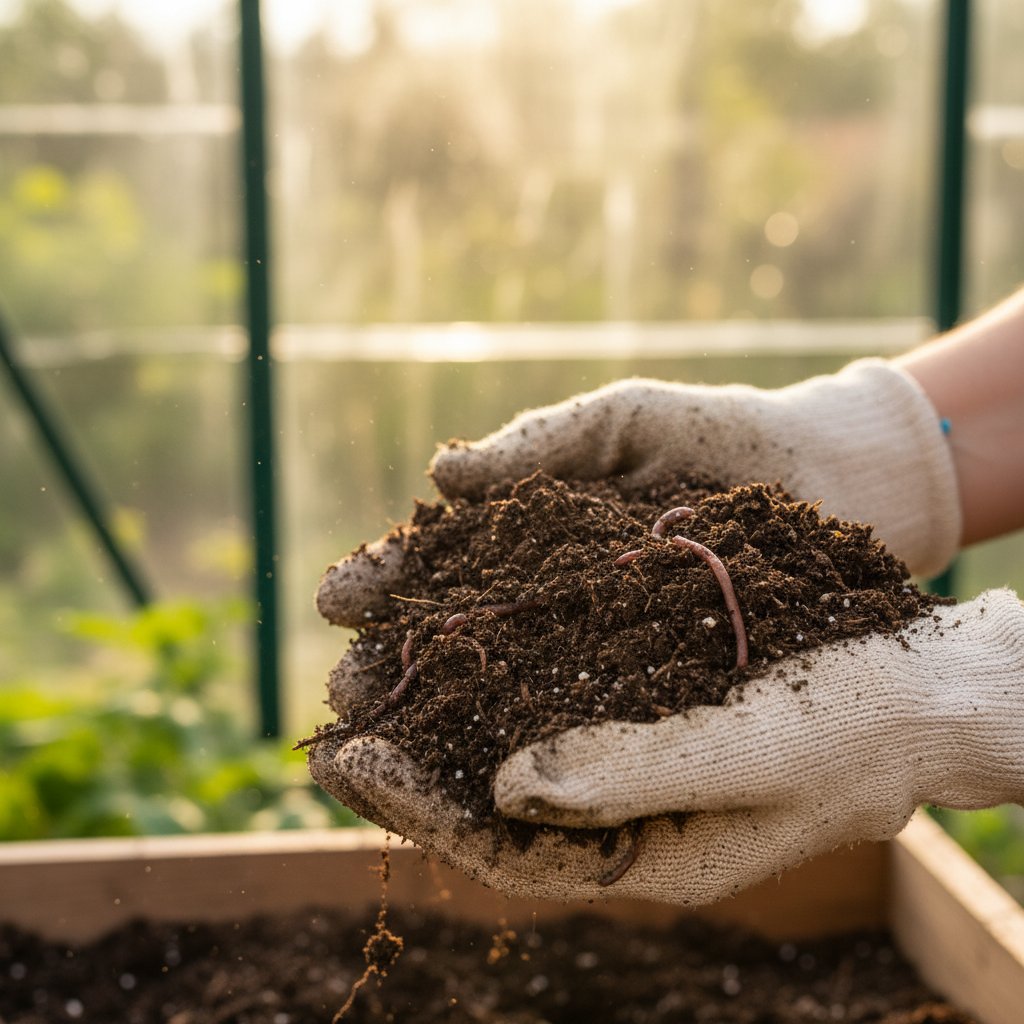
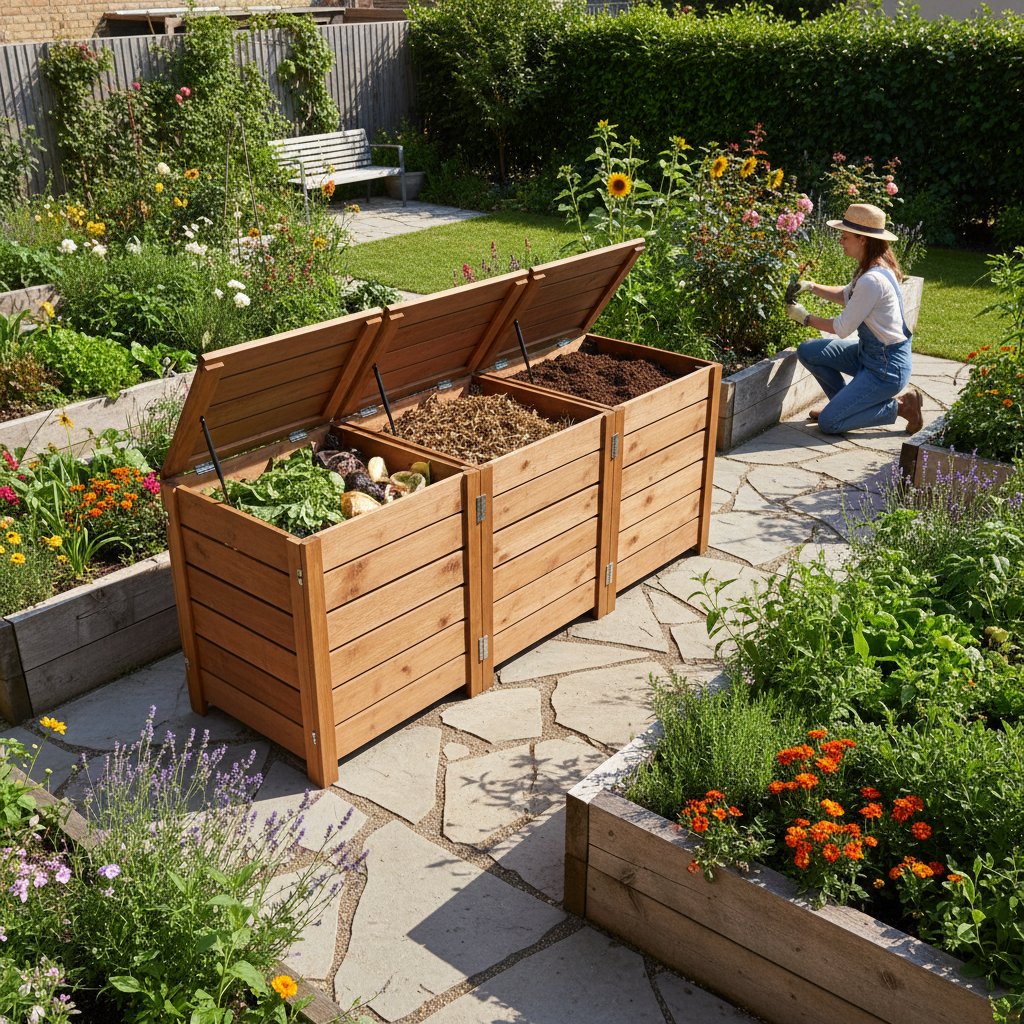
Hopaqi composting systems

Our Mission

We provide practical composting systems that eliminate odors and reduce household waste. Our methods are tested in real gardens, not laboratories.

Our Vision

Making home composting accessible to every household in Bulgaria. We believe organic waste belongs in gardens, not landfills.

Core Values

🌱

Practical Solutions

Methods tested in real conditions. No theoretical approaches.

🔬

Evidence-Based

Every technique backed by field testing and measurable results.

♻️

Sustainability

Reducing waste while enriching soil naturally.

🤝

Customer Support

Ongoing guidance from setup through first harvest.

Our Expertise

With 6 years of hands-on experience, we've installed over 300 composting systems across Sofia, Plovdiv, and Varna.

Our team includes 4 certified horticulturists and 2 waste management specialists. We understand Bulgarian climate conditions and soil types.

We offer consultation in Bulgarian and English, serving both residential gardens and small community plots.

Composting expertise
300+ Systems Installed
6 Years Experience
95% Odor Elimination Rate