The real cost of Компостирование органических отходов дома: Методы без запаха для частных садов: hidden expenses revealed
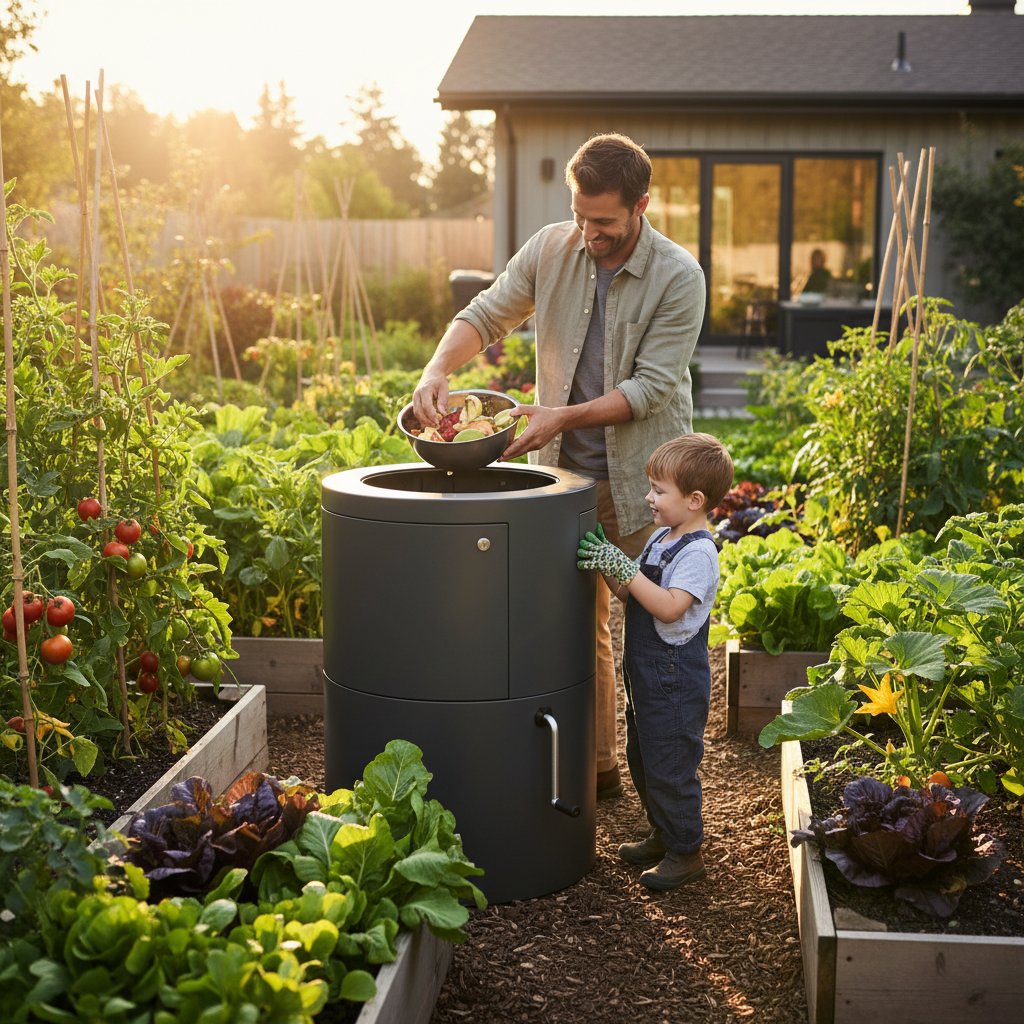
My neighbor Jim spent $47 on a fancy compost bin last spring, feeling pretty smug about his environmental consciousness. Six months later, he'd dropped another $200 on odor-control products, replacement parts, and eventually a second system altogether. His wife threatened to move the whole operation to the curb after their dinner party guests kept wrinkling their noses.
Turns out Jim's story isn't unique. Home composting sounds like the ultimate free lunch—turn your garbage into garden gold, save money, help the planet. But scratch beneath the surface, and you'll find a minefield of hidden costs that nobody talks about at the garden center.
The Upfront Investment Nobody Mentions
Sure, you can technically compost in a pile on the ground. But let's be honest—if you live in a residential neighborhood with property lines measured in feet rather than acres, that's not happening. The real entry point for odor-free home composting starts around $80-150 for a decent enclosed system.
Here's where it gets interesting. That tumbler bin you're eyeing? It needs a level base, which might mean $30-60 in paving stones or a concrete pad. The worm composting system requires bedding materials ($20-40 initially), and you'll need to buy the actual worms—red wigglers run about $35 per pound, and you'll want at least two pounds to start.
Bokashi composting, the darling of apartment dwellers, needs specialized bran inoculated with microorganisms. A 5-pound bag costs $25-35 and lasts maybe three months if you're composting regularly.
The Ongoing Expenses That Creep Up
Remember that bokashi bran? Yeah, that's a subscription service now. You're looking at $100-140 annually just for the microbial mix. Worm bedding needs refreshing every few months—add another $60-80 per year.
Then there's the carbon material problem. Balancing your compost means layering "browns" with your kitchen scraps. Shredded newspaper works, but most of us don't get physical papers anymore. You'll end up buying straw, coconut coir, or wood chips. Budget $40-70 annually.
The Hidden Costs of Doing It Wrong
This is where things get expensive fast. A compost pile that goes anaerobic (translation: starts smelling like death) needs fixing. You might need:
- Activated charcoal filters for enclosed bins: $15-25 every 3-6 months
- Compost aerator tool because your back can't handle turning that pile manually: $30-50
- pH testing kit to figure out why nothing's breaking down: $15-20
- Lime or sulfur to adjust that pH: $10-15 per treatment
One study from the University of Wisconsin found that 40% of home composters abandon their systems within the first year, often after spending $200-400 trying to troubleshoot problems.
Time Isn't Free Either
Nobody puts a dollar value on the 15 minutes you spend three times a week managing your compost. But let's do the math. At 45 minutes weekly over 52 weeks, that's 39 hours annually. If your time is worth even $20/hour, that's $780 in opportunity cost.
Professional composters charge $15-30 per month for curbside pickup. That's $180-360 annually—suddenly looking competitive, isn't it?
What Actually Makes Financial Sense
Dr. Sarah Chen, who runs a sustainable agriculture program at Cornell, puts it bluntly: "Home composting pays off if you're already gardening seriously and would otherwise buy compost or fertilizer. For everyone else, it's an environmental choice, not an economic one."
She estimates that active gardeners save $150-300 yearly by producing their own compost, assuming they'd otherwise purchase bagged products. But that's working with at least 200 square feet of growing space.
Container gardeners with a few tomato plants? The math doesn't work. You're producing maybe $20 worth of finished compost annually while spending $100+ maintaining the system.
The Smell-Free Premium
Keeping composting genuinely odor-free adds another layer of expense. Electric composters that promise apartment-friendly, zero-smell operation run $300-500. They work, but they also consume electricity—figure $3-8 monthly depending on your usage and local rates.
The FoodCycler and similar devices essentially dehydrate and grind your scraps into a soil amendment. It's not technically composting, and you'll spend $40-60 annually on replacement filters plus electricity costs.
Key Takeaways
- First-year costs typically run $150-400 for a legitimate odor-controlled setup
- Annual maintenance averages $80-200 depending on your method
- Time investment equals 35-50 hours yearly for active management
- Break-even point hits around year 3-4 if you're an active gardener replacing purchased compost
- Municipal pickup services cost less than DIY for small-scale composters
Look, I'm not trying to kill your composting dreams. This article isn't about discouraging environmental action. But Jim could've saved himself $200 and a marital argument if someone had been straight with him about the real investment required.
Composting at home works beautifully when you understand it's a commitment, not a casual weekend project. Go in with eyes open about the costs, and you'll avoid becoming another abandoned-bin statistic. Your wallet—and your neighbors—will thank you.